Delivering Canada's Real-Time Rail
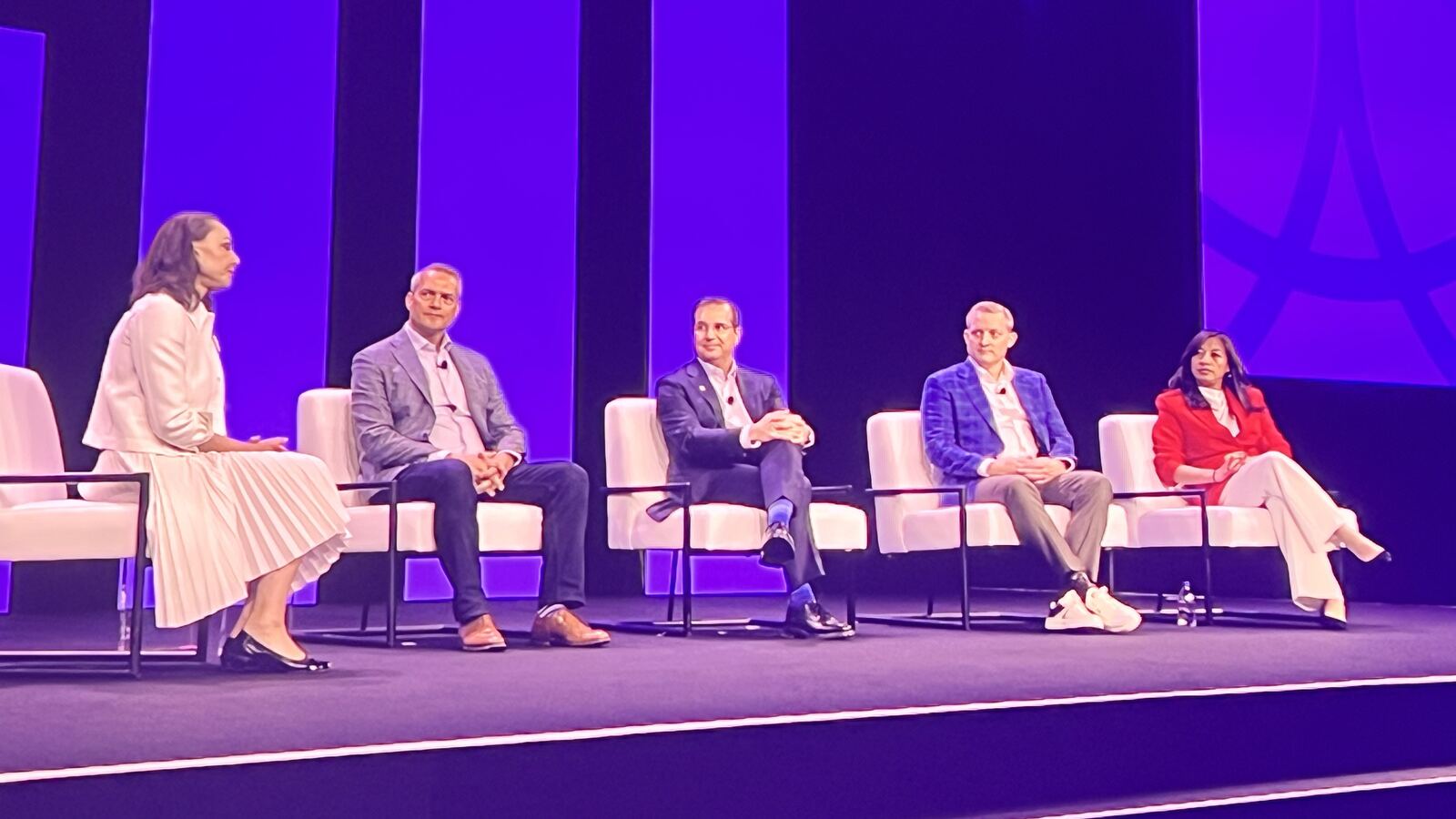
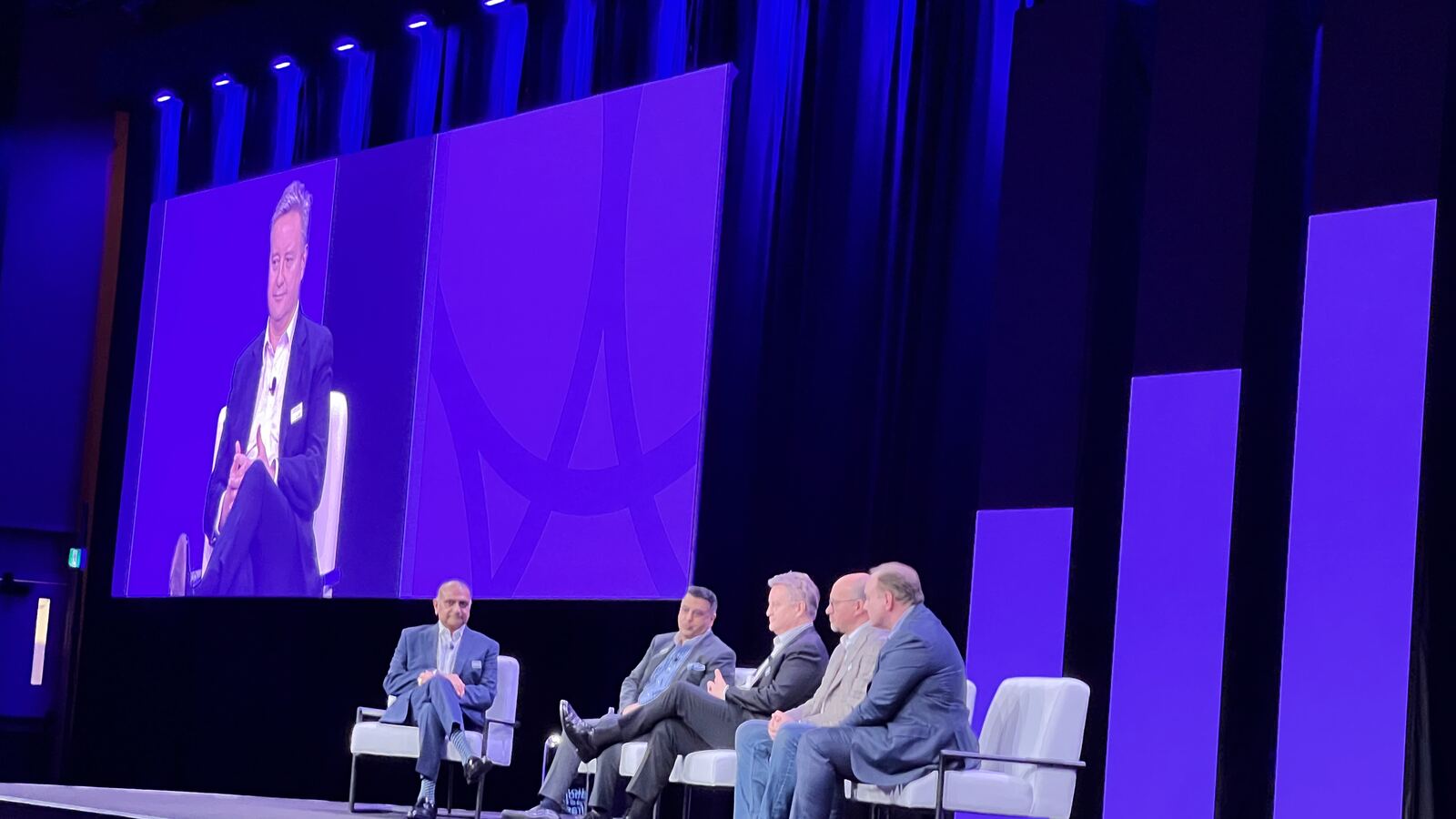
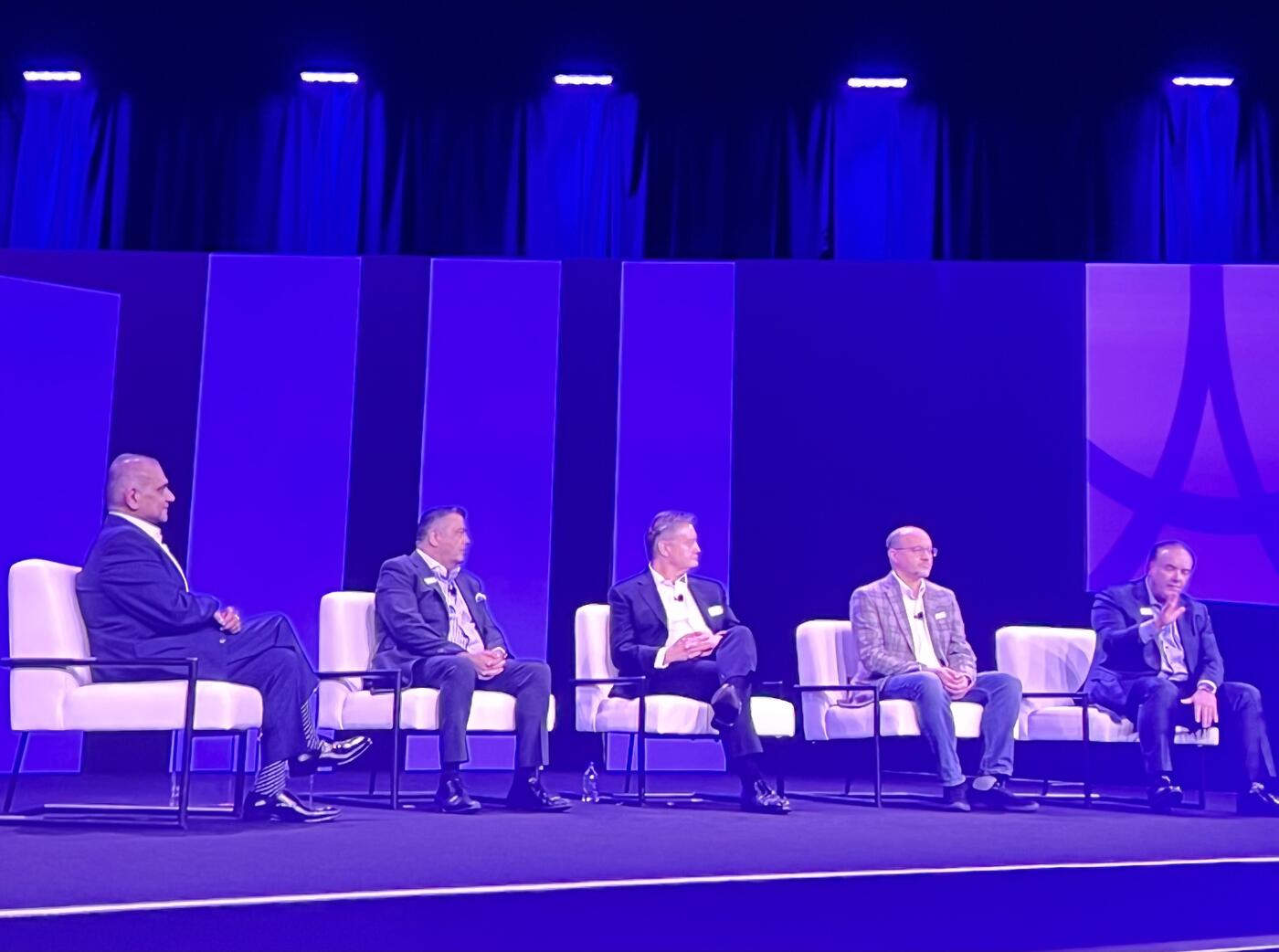
Canada's Real-Time Rail (RTR) initiative took another visible step toward launch this week as leaders from across the country's payments ecosystem used the Payments Canada Summit stage to outline operational milestones, launch timelines, and the broader economic ambitions behind the project.
Executives from Interac Corp., IBM Canada, CGI Inc., and Payments Canada described the RTR not simply as a technology modernization effort, but as a foundational national capability designed to support innovation, resilience, and long-term economic growth.
Launch Timeline
The panel confirmed that industry testing for RTR will begin in calendar Q3, with launch targeted for Q4 following successful testing and onboarding phases. Deployment will happen gradually, beginning with direct exchange participants before expanding to institutions migrating from the existing Interac e-Transfer ecosystem.
"We will start in a wave approach, starting with direct exchange participants, and then followed closely by our conversion participants coming from e-transfer. This ensures that the system remains safe, secure, resilient, in a live environment."
Speakers emphasized that Canada's implementation is unusually complex because it combines the launch of a new real-time clearing and settlement framework with the migration of an already mature, widely used faster-payments system.
"We're one of the few countries that include a conversion of an in-market solution for faster payments to real-time, line-by-line clearing and settlements," the moderator noted.
Anuj Dhall (Interac): Invisible Infrastructure
Representing Interac, Anuj Dhall described the operational philosophy guiding the system's rollout in strikingly simple terms: success should appear uneventful to Canadians.
"The key word is operability," Dhall said. "Reaching this major milestone is about being ready to operate the stack."
He explained that the ideal customer experience is effectively invisible infrastructure.
"We don't want you to know that anything's going on if we're doing our job well. It's about being ready to turn this on and actually operate and run it in a secure and sustained system each and every day."
Dhall repeatedly returned to the concept of trust. Canadians already expect money to move instantly and reliably through Interac systems without having to think about the infrastructure behind it, he said, and RTR must preserve that same level of confidence.
"When you send money to someone, you just trust it's going to arrive. You trust it's going to be there. You don't think about it. And that's how we have to operate with RTR as well."
Behind that seamless experience, however, lies extensive operational preparation. Dhall described the deployment of more than 30 observability and operational monitoring tools, large-scale staffing efforts, security investments, and the creation of operational procedures designed to proactively identify and resolve issues before they impact users.
Cybersecurity emerged as one of the session's strongest themes. Dhall emphasized that in today's environment, launching a national real-time payment rail requires constant vigilance.
"It's just so important as we launch this new capability that it is absolutely secure, that it's bulletproof. All eyes will be on us."
Jeff Holan (IBM): Technology, Process, People
Representing IBM, Jeff Holan focused on operational readiness from a systems perspective, describing launch preparation as a balance between technology, process, and people.
"It's the technology, it's the process, and it's the people. The people are being trained on the operations, testing all three of them together, making sure the system is ready to go live."
Holan noted that readiness extends beyond launch day itself. RTR, he argued, will need to evolve continuously as threats, participant expectations, and use cases change over time.
"After we go live, it is change. Whether that's security threats, whether that's new features for the RTR and new demands on the RTR."
Rob M (CGI): Resilience and Capacity
From CGI's perspective, operational resilience and scalability remain the core priorities. Rob M highlighted CGI's decades of experience operating Interac infrastructure as a major source of confidence.
"We've been in partnership with Interac, managed the e-transfer infrastructure for over 25 years. We understand resiliency, security, peak usage requirements that come with a national high-volume payments platform."
That operational history directly influenced the architecture and deployment strategy for RTR.
"For launch, the priority is resiliency and capacity. We've built and designed RTR to support the growth across both e-transfer and RTR with significant headroom for growth."
One key design decision involved separating RTR and e-Transfer infrastructure environments to reduce systemic risk during onboarding and scaling.
"We've also isolated the RTR and e-transfer infrastructure environments as a risk mitigation feature. That gives us clear separation, stronger control, and confidence as RTR moves through testing, onboarding, and launch."
RTR as a National Ecosystem
Throughout the discussion, the panel consistently framed RTR as a national ecosystem initiative rather than a standalone payments product. Speakers highlighted the importance of governance, coordination, participant readiness, and collaborative problem-solving across the financial sector.
"The RTR needs all of the components that are successful long-term — the legal framework, the hardware, the software, the operations. And the biggest component, the participants."
Closing Reflections: A Geopolitical Moment
As the panel shifted toward closing reflections, the conversation moved from operational readiness to the broader meaning of the project for Canada's economy and innovation ecosystem.
In one of the session's more personal remarks, Dhall reflected on what success would ultimately look like.
"I hope that I mean this the best way possible. Each and every one of you forgets my name. If we've done this well, you won't remember me because everything will be just working as it should be."
He described RTR as "a national capability in a geopolitical moment" and emphasized that the ultimate goal extends beyond payments modernization itself.
"Our goal is to get the foundation right, and allow the innovation that we expect to come… accelerate economic growth. That's what this is all about."
Other panelists echoed the idea that the most transformative impact of RTR will emerge only after launch, when developers, businesses, fintechs, and institutions begin building new experiences on top of real-time infrastructure.
"This is the first time we've had this capability in market where we can execute a transaction end to end in real time. We have some ideas as to what value that's going to unlock and some interesting use cases, but I think as that goes to market, people will see that capability is going to unlock some really interesting features and use cases."
Another panelist summarized the current phase as necessary groundwork before the larger innovation cycle begins.
"I'm looking forward to talking about use cases, what we've deployed, what's to come, because I think the success is ahead of us."
The session closed with a strong emphasis on collective responsibility across the Canadian payments ecosystem. Speakers noted that while the infrastructure itself may soon be ready, realizing its full value will depend on how industry participants, financial institutions, fintechs, and innovators choose to use it.
"We can and we are delivering on our shared commitments," the moderator concluded.
In a symbolic moment at the end of the panel, speakers pointed to newly displayed RTR branding replacing their individual corporate identifiers, reinforcing the broader "Team Canada" message that has surrounded the initiative since its relaunch.
"In this moment in time, it's this ecosystem's responsibility and accountability to take advantage and create these opportunities of what we're delivering for the country."
Key Takeaways
- Industry testing begins Q3, launch target Q4 — wave approach: direct exchange participants first, then e-Transfer conversion participants.
- Canada is unusual: simultaneously launching a new rail and migrating a mature in-market system (e-Transfer).
- Interac philosophy: success means users forget the name — operations should be invisible.
- 30+ observability and monitoring tools deployed; cyber posture treated as launch-critical.
- CGI/Interac partnership is 25+ years old; RTR and e-Transfer environments deliberately isolated for risk containment.
- Framed as a "national capability in a geopolitical moment" — the value comes from what's built on top, post-launch.