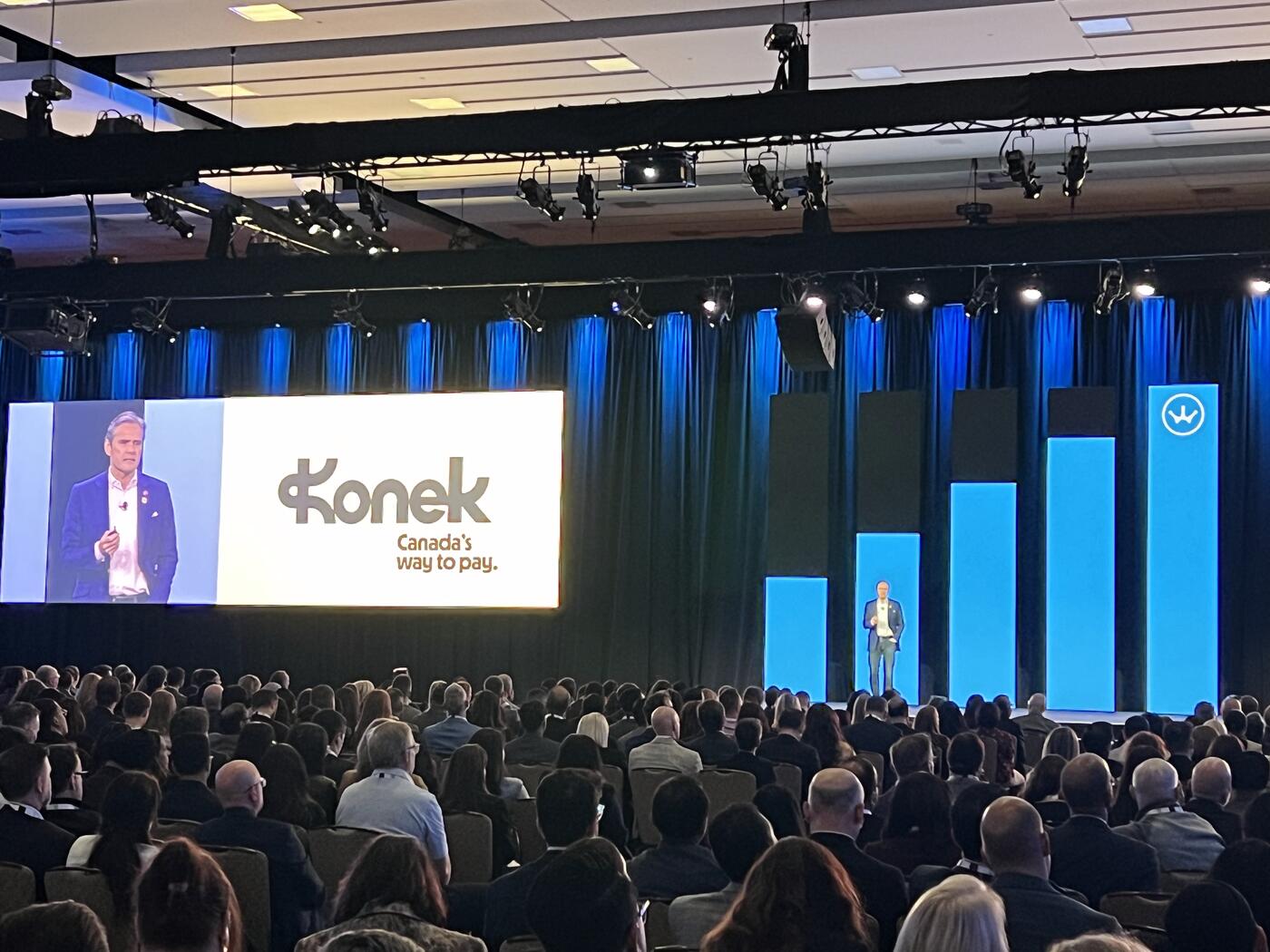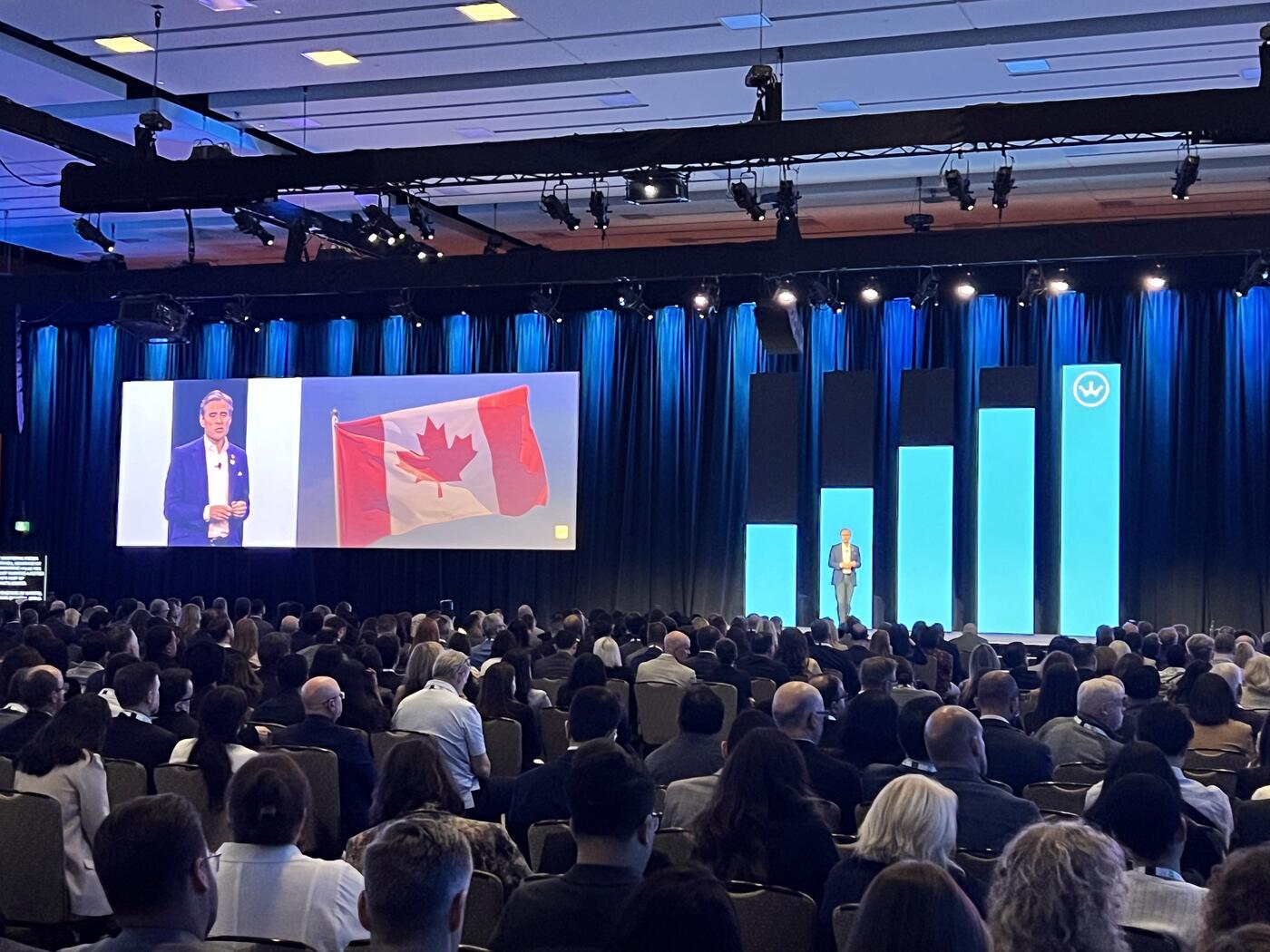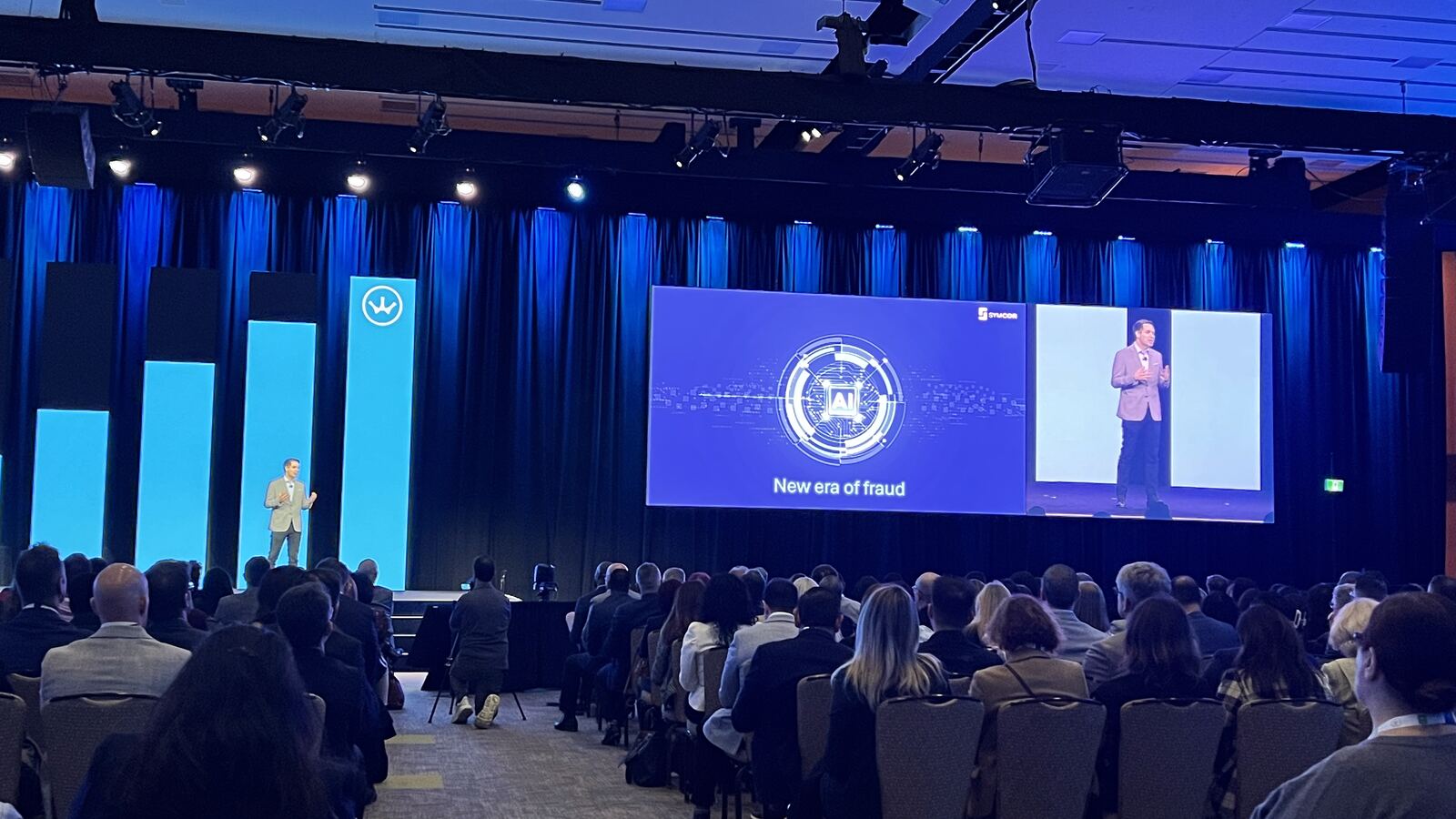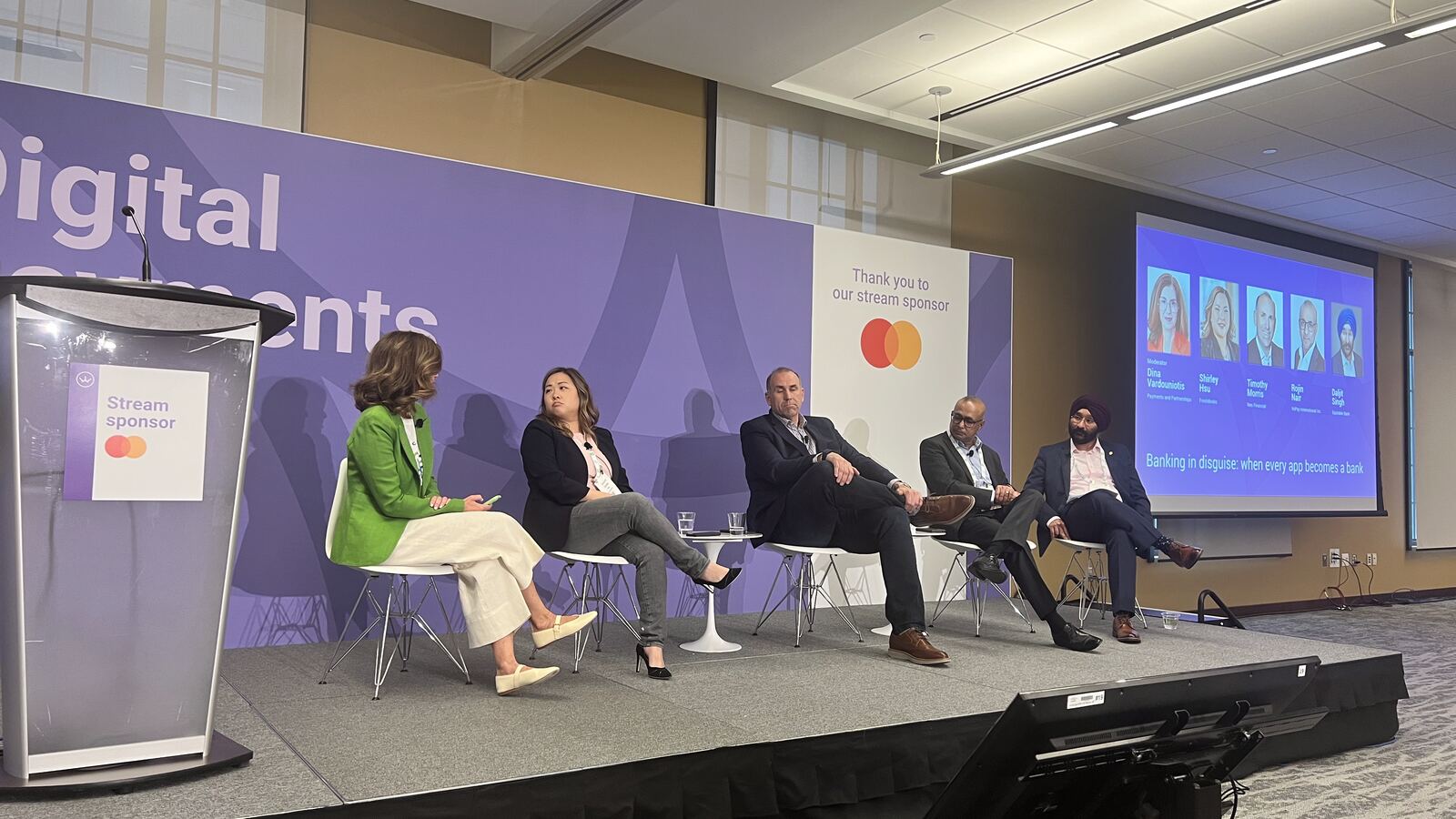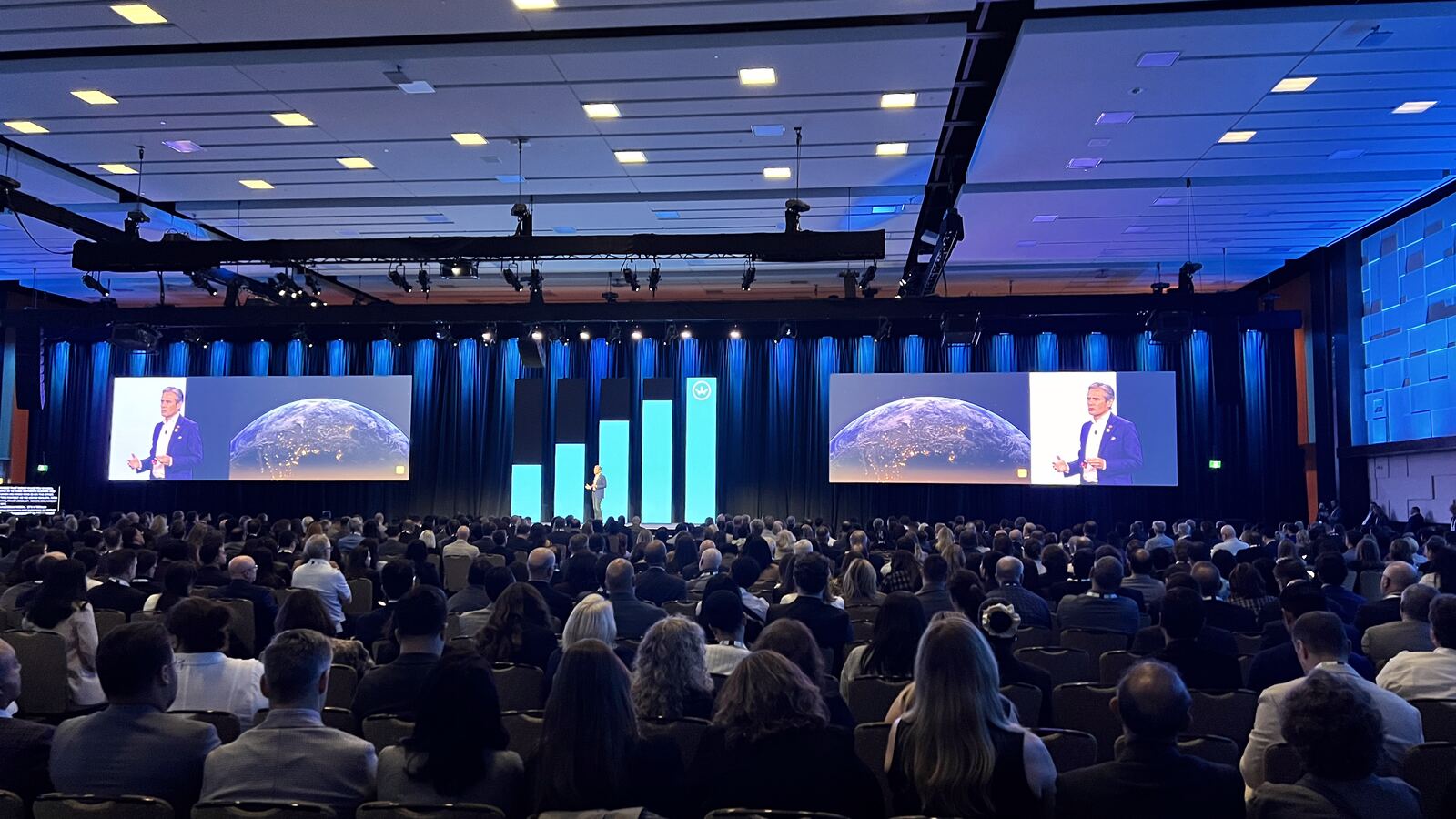
At the Payments Canada Summit, Jeremy Wilmot delivered a keynote centered on the future of Canada's payment infrastructure, emphasizing sovereignty, speed, and trust as the foundations of digital prosperity.
He began with a stark assessment of the current landscape, pointing to the economic and strategic implications of existing payment flows. "All of these fees leave Canada altogether instead of supporting Canadian institutions or the local Canadian economy," he said, highlighting how value generated domestically is often captured elsewhere. Beyond fees, he stressed the importance of data as a national asset: "Every transaction processed in the country generates information of what Canadians buy, how much they pay, when they bought it, and from who. And right now, a lot of that data travels out of the country. It becomes someone else's asset to monetize."
For Wilmot, this dynamic is unsustainable. "All of this needs to change," he stated, before outlining what he described as a practical and achievable vision for the future. In this vision, "the Canadian business completes the sale, gets paid in 10 seconds. They receive more value on every dollar. Their transaction moves through Canadian rules, rails, governed by Canadian institutions. And the data it generates stays here, used for fraud prevention, fraud detection, and other value-added services that bring value to the Canadian."
Trust and transparency, he argued, are central to this transformation. "When we know who's on the other side of the payment, as we heard earlier, risk goes down, trust goes up. Scams are harder to pull off." This, he noted, is not an aspirational ideal but "a totally reasonable standard for everyone to expect."
Wilmot positioned Interac's evolving role within this broader shift, introducing the concept of "The One Network." As he described it, this is "not just the protocol, but the network that protects the integrity of the account value to the users." Reflecting on Interac's legacy, he added, "More than four decades, Interac has been that network of choice that's kept Canadian payments in Canadian hands. But we're absolutely not resting on our laurels… If anything, we're building and stepping forward."
He pointed to recent policy momentum as a catalyst for change. "In the last six months, something special has shifted in this country," he said, referencing developments such as the federal budget, open banking initiatives, and progress under the Retail Payments Activities Act (RPAA). "With clear focus and real momentum, the government has signaled that financial sector modernization is a top priority."
As part of that momentum, Wilmot noted Interac's own contribution: "On the same day of the budget, we introduced Connect." This move, he explained, reflects a long-held belief that "Canada needs a system… that really strengthens choice while keeping value and control here at the home."
However, he cautioned that early enthusiasm must be sustained. "Right across the industry, the energy in that moment, it was real. It has dissipated a bit. It needs to be sustained." Building a sovereign payments ecosystem, he emphasized, requires persistence: "It happens through deliberate choices, investing in Canadian rails, and in Canadian governments in Canada."
A key enabler of this future is the Real-Time Rail (RTR), which Wilmot described as a foundational step rather than a complete solution. "RTR isn't going to solve all the challenges, but it will show what's possible when payments are built on Canadian infrastructure—instant settlement, account-based payments, account-to-account, governed here for all Canadian commerce."
He highlighted early signs of behavioral change driven by improved payment capabilities. "When they can request payments digitally and receive funds directly into their account, with minimal friction and near-instant access, something shifts. Cash flow becomes more predictable, decisions become easier." Supporting this, he shared that "in 2025, on e-transfer, usage of this kind of account-to-account request-to-pay model grew 81% year-on-year," a signal of strong demand despite its still limited share of overall business payments.
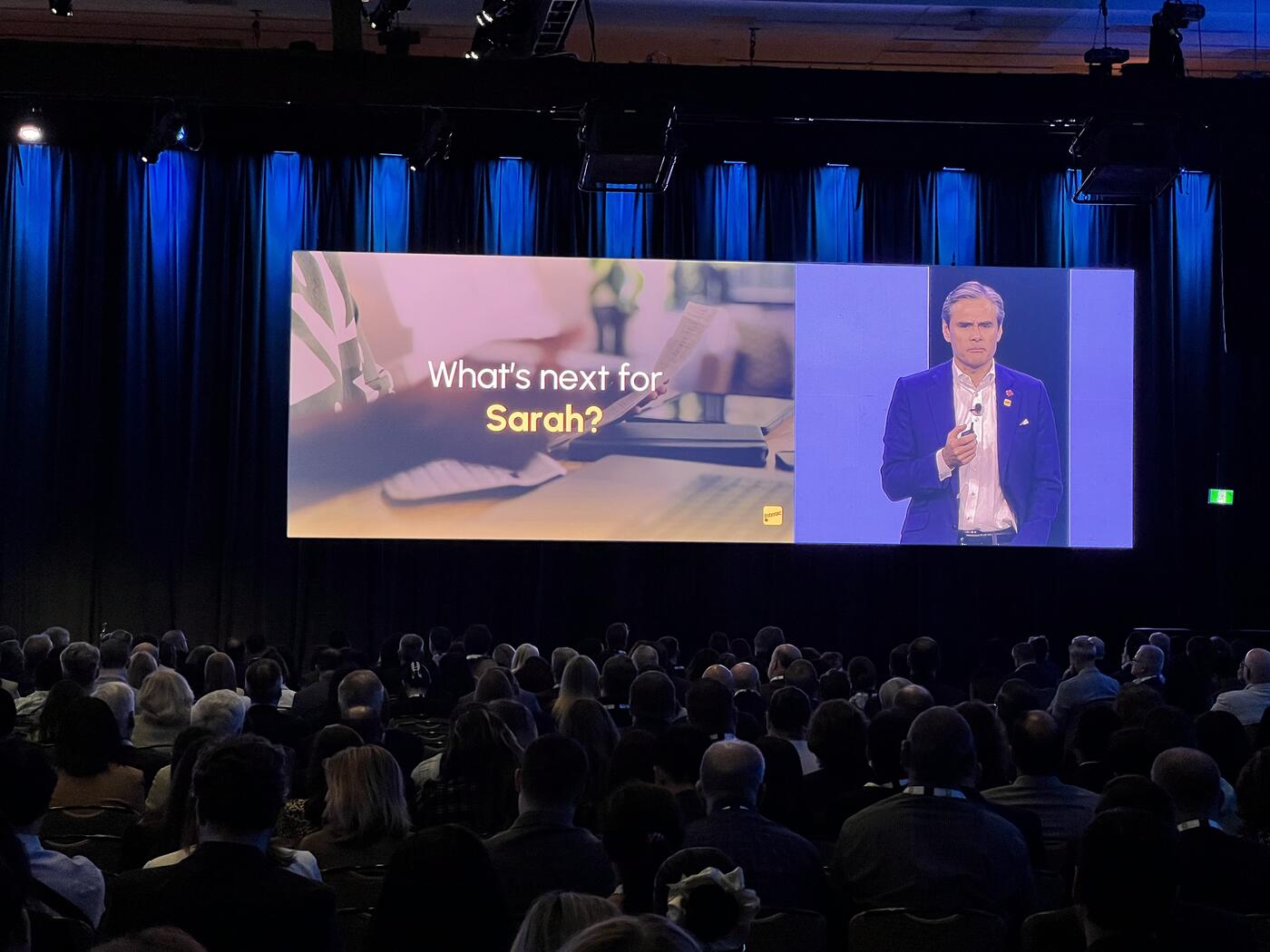
To bring the impact into focus, Wilmot introduced the example of a small business owner. "Somewhere out there, Sarah is still waiting, wondering whether the next message is legitimate, whether the next delay means that something's gone wrong." These uncertainties, he explained, constrain business decisions—not due to lack of ambition, but lack of trust.
"That changes when the infrastructure changes," he said. "So when Sarah gets paid in seconds through a system she can trust, she doesn't wait to hire. When she gets more cents on the dollar, she invests that additional money. When her data stays encrypted, she doesn't run it better. She's proud. She's part of something bigger, and that's digital prosperity."
He concluded by scaling this individual story to the national level. "There are hundreds of thousands of Sarahs, nearly a million, across this country, small businesses built over years and somewhat held back over the last decades." The opportunity, he argued, lies in aligning payments with the expectations of a digital economy: "When we give them payments that work the way that they want and how the rest of their digital lives work, where it's fast, it's safe, it's fair, and it's Canadian, then the cumulative effect will be very significant for all of us."
"The digital surface that you've all built is genuinely impressive," Wilmot concluded, "but it's time that that infrastructure was needed."
Key Takeaways
- Canadian payment fees and data are flowing offshore; Wilmot framed this as a sovereignty and prosperity issue.
- The vision: a Canadian business gets paid in 10 seconds, on Canadian rails, governed by Canadian institutions, with data that stays in Canada.
- Interac Connect was introduced on the same day as the federal budget — positioned as Canada's response to the modernization push.
- The Real-Time Rail (RTR) is the foundational step, not the endgame.
- Account-to-account request-to-pay on e-Transfer grew 81% YoY in 2025 — early evidence of demand.
- Policy momentum (federal budget, open banking, RPAA) has shifted in the past six months, but Wilmot warned it has "dissipated a bit" and must be sustained.