Agentic Finance Takes Shape — But Trust, Identity, and Control Remain Unresolved
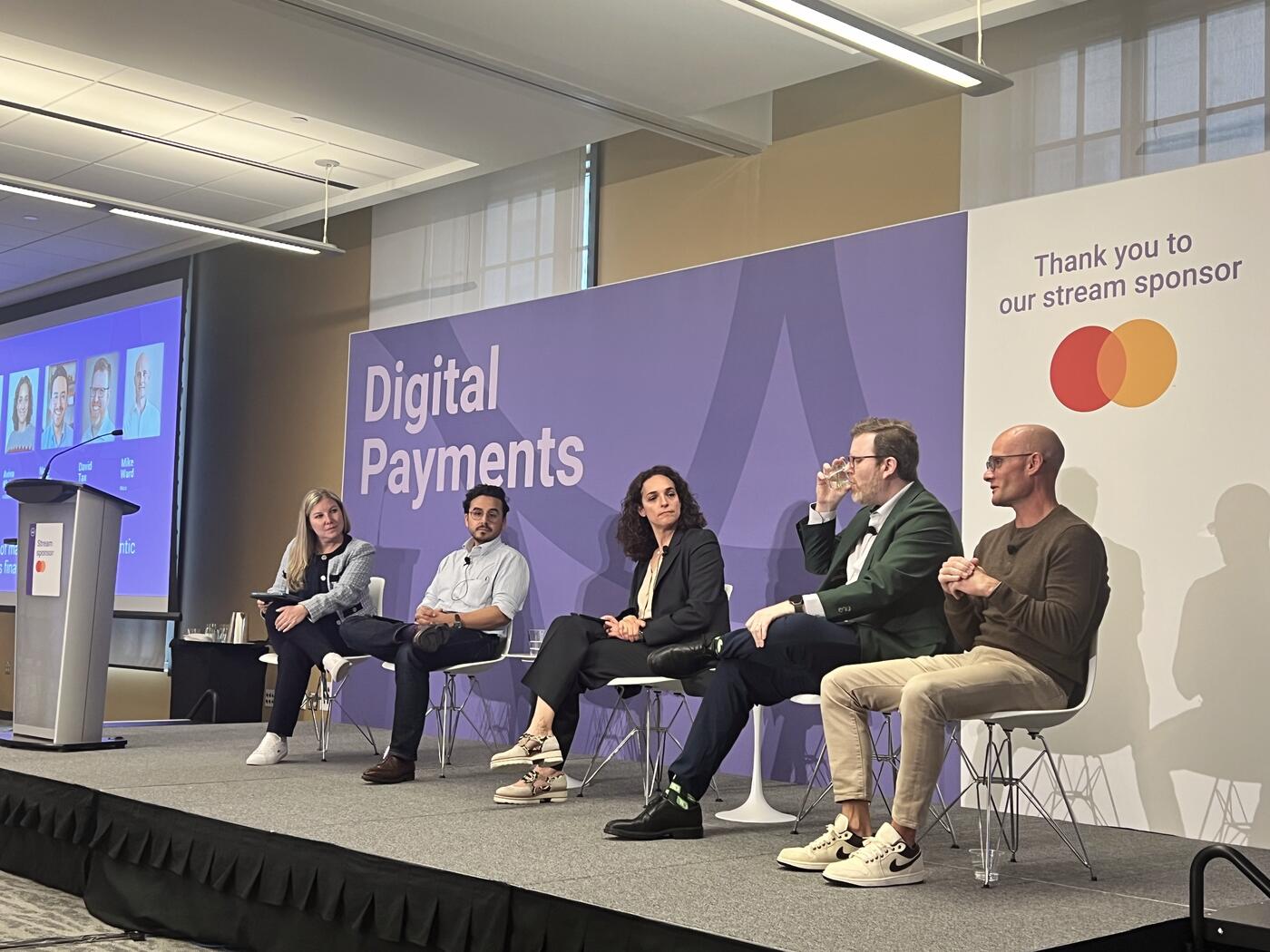
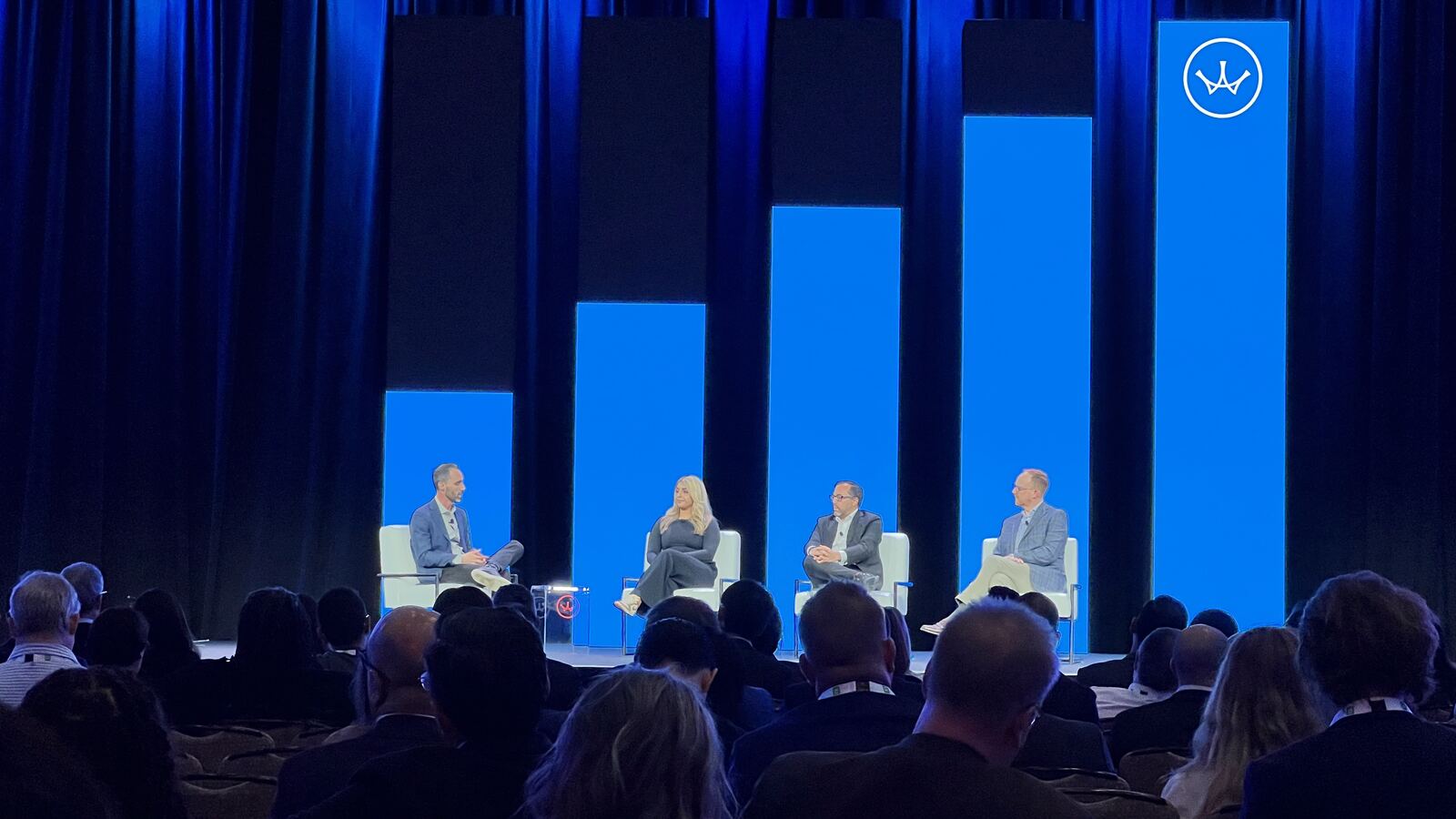
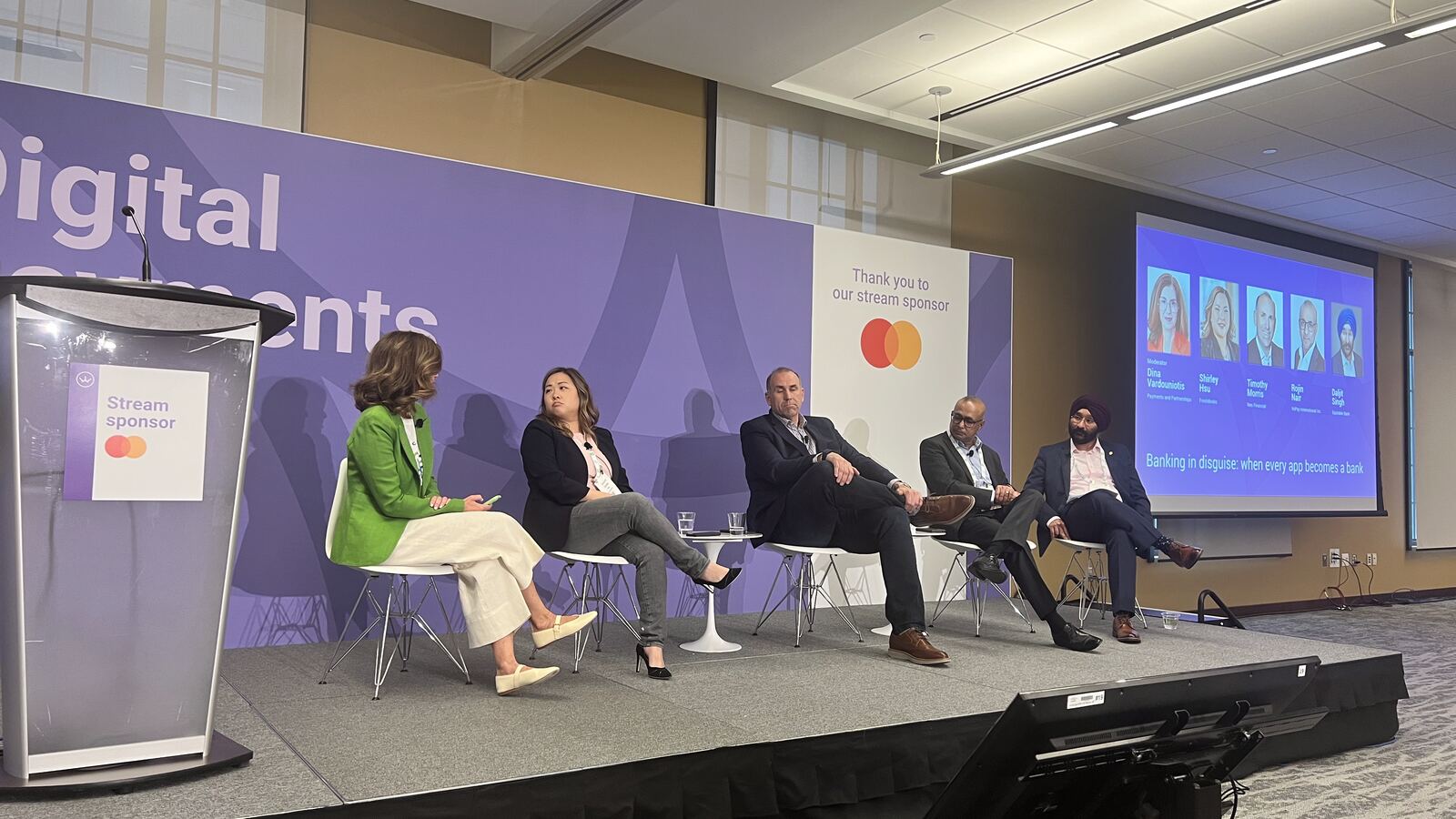
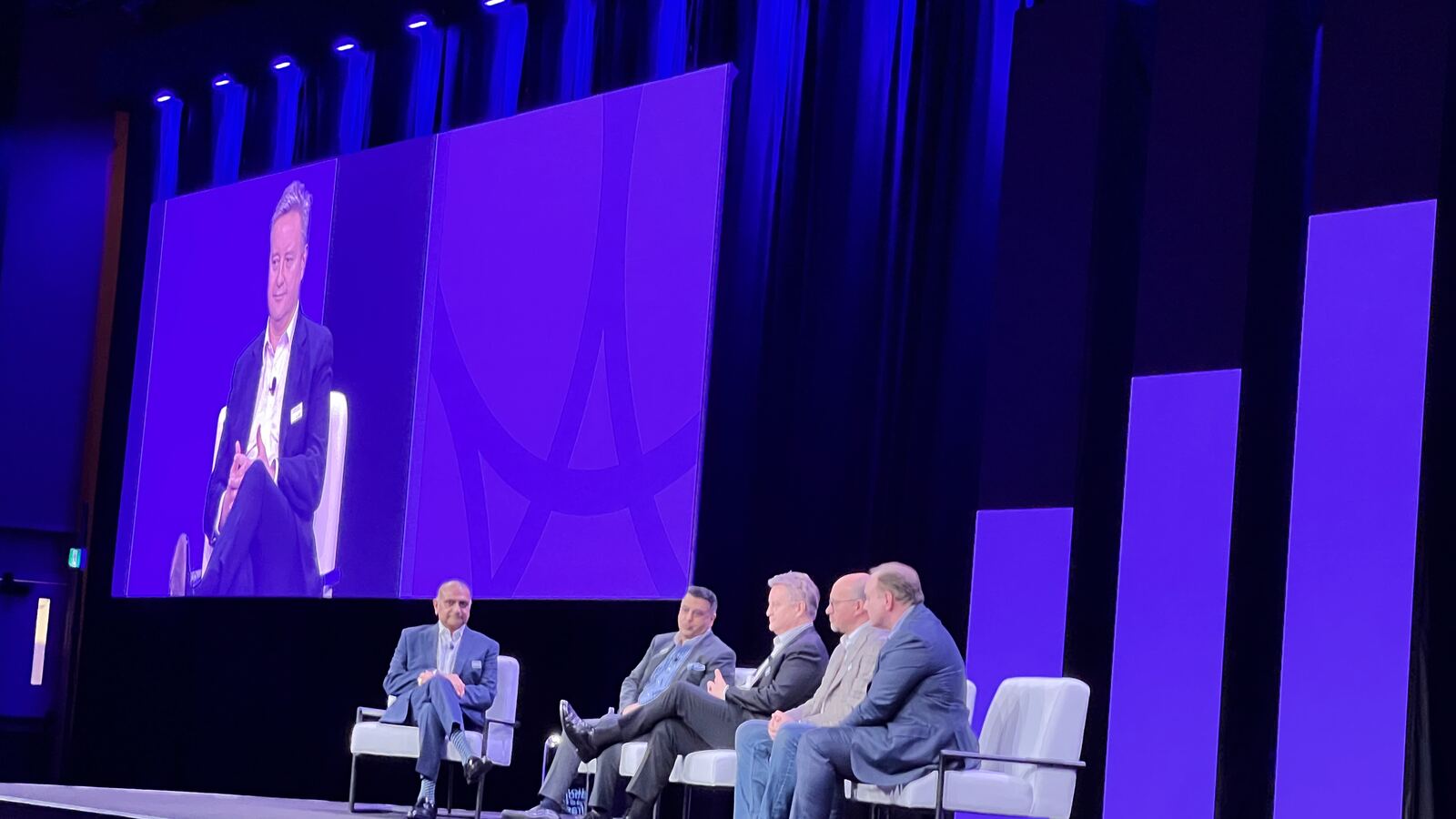
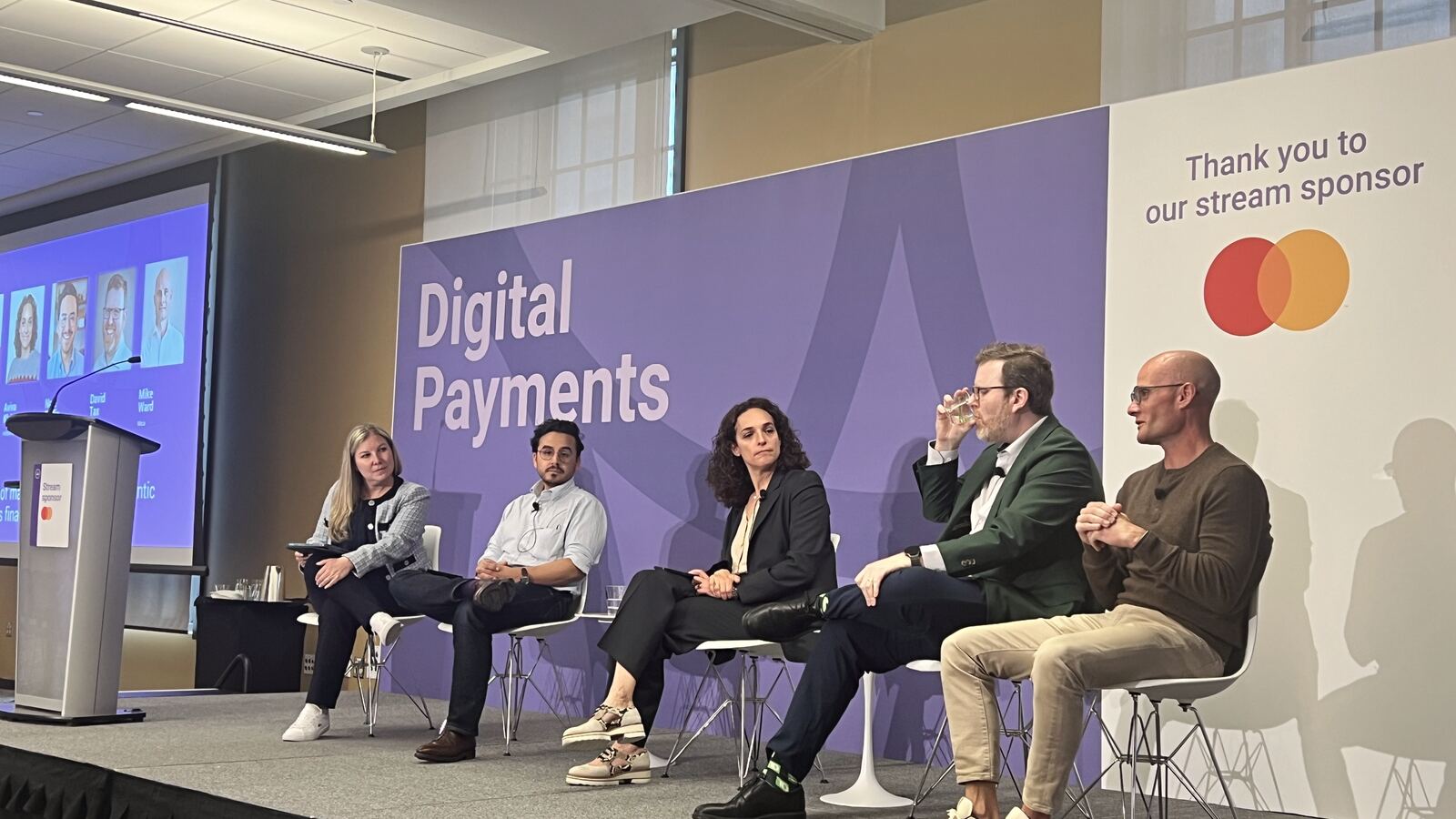
At this year's Payments Canada Summit, a panel of industry leaders — moderated by Michelle Beyo of Finavator — gathered to unpack one of the most rapidly evolving topics in financial services: agentic autonomous finance. Beyo framed the space as one moving at extraordinary speed — "in the last six weeks alone, the amount of updates and news across the ecosystem… there's just so much to take in" — and set the panel up to separate what is real from what remains aspirational.
The central tension was clear from the outset: while the potential is enormous, the foundational elements required to make agent-driven commerce safe, trusted, and scalable are still being built.
A System Moving Faster Than Its Foundations
Nate Soffio of Prove, working at the intersection of identity and standards, pointed to an unusual signal of momentum: "contributors to the standards bodies and working groups are moving way faster than I've seen them move before." He noted that collaboration is now happening across payment rails, identity providers, and internet infrastructure companies, adding that "we can't just kind of transpose one-to-one human frameworks for trust onto agents."
Yet, as Aviva Klein, Independent Consultant, observed, real-world adoption remains limited. "I'm not seeing a lot, that's for sure," she said, noting that most activity today is concentrated in enterprise workflows, particularly in the "procure-to-pay cycle," where agents are automating processes rather than executing fully autonomous consumer transactions.
From a banking perspective, David Tax of TD Bank Group reinforced that the industry is not yet ready to scale. "We're still in a 'not yet,'" he said. "Trust is hard to gain and easily lost… that experience is going to be too uneven for people to really scale yet."
Trust Begins With Simplicity — But Breaks Quickly
Despite this caution, early experimentation is already exposing real-world challenges. Tax shared an internal example: "one of our executives… said to herself, 'I'm going to buy a case of cold-pressed juice.' And 10 cases showed up at her door." The takeaway, he explained, is that "the challenges are not theoretical. The challenges are real."
Mike Ward of Mica, approaching the problem from an infrastructure perspective, expects adoption to begin with low-risk use cases. "I'm probably not going to give it a permission for a $5,000 summer vacation," he said, "but to make sure that there's toilet paper on the front doorstep tomorrow morning… I believe that type of transaction will start happening quite quickly."
This gradual adoption path was echoed across the panel: agentic commerce will start with tightly defined, low-risk actions before expanding into broader, more autonomous decision-making.
Identity: The Missing Piece in Every Protocol
While payment rails and agent capabilities continue to evolve, Soffio identified a fundamental gap: identity. Referring to emerging frameworks like Visa TAP and Mastercard's verifiable intent initiatives, he noted that "they all kind of have an identity-shaped hole."
The challenge, he explained, is not just verifying a user, but binding that identity to an agent and its actions. "How do we… cryptographically bind an identity to a specific agent or agent runtime or a specific task or a specific chain of events?"
This introduces a deeper architectural shift. In agent-driven interactions, he argued, traditional assumptions no longer hold. "Everyone's got to authenticate with everyone else. It's just a big authentication party," he said, reflecting a world where multiple intermediaries — agents, platforms, and merchants — interact simultaneously.
Consent Is No Longer a One-Time Event
If identity is unresolved, consent is even more complex. Klein emphasized that existing models are insufficient for autonomous systems. "Consent is going to be super important and not just one time, but continuously throughout the mandate of the agent," she said.
The risk lies in how agents operate. "Agents… just want to please us… and they will uncover every single stone in order to please its user." Over time, this can lead to drift, where "what you consented for originally is actually not necessarily what the agent is even doing anymore."
To manage this, she pointed to the need for new control mechanisms: "the audit trail is going to be super, super important… not just what, but why did the agent do it." She also highlighted revocability and human intervention, noting that "the ability for the human to stop" and "having the human in the loop" will remain critical as mandates expand.
Payments: Evolution, Not Replacement
On the question of payment methods, the panel agreed that existing rails will not disappear overnight. Tax explained that "existing rails are largely going to persist," with card networks adapting their existing trust frameworks to this new environment.
At the same time, new models are emerging. "Tokenized deposits… stablecoins… the pieces are coming together," he said, particularly for use cases like micropayments. However, he raised a deeper question: "does the programmability matter as much if the agents themselves can be the programmer?"
This shift suggests that agents may become the primary layer of logic, while payment systems focus on speed, cost, and settlement.
Who Do Users Actually Trust?
One of the most debated questions was who will ultimately own the relationship with the user. Beyo, moderating, raised a concern shared by many: "I don't know that I trust the LLM to be my agent… what trust have they built with me so far?"
Soffio responded by reframing the concept entirely. "It may be easier to think about an agent as sort of a container for stuff," he said, rather than a trusted entity in itself.
Tax, meanwhile, pointed to user behaviour. "Where trust starts to go for the average person… is a brand that they've heard of," he said, noting that familiarity may drive early adoption. Over time, however, "what makes it work better is going to be who knows you the best."
He also raised the possibility of a more decentralized future, where users carry their own data. Referencing earlier ideas about data ownership, he suggested that "you actually do have your data… and… you should be able to bring all of that context with you to that other provider."
Merchants Face a New Visibility Problem
From the merchant perspective, a new issue is emerging: visibility. As Tax explained, "merchants have no easy way to detect" whether a transaction is initiated by a human or an agent.
Without that clarity, defensive behaviour is likely. "You're going to put those blocks in place," he said, particularly if agent-driven traffic appears risky or low quality.
This creates a need for new identity signals within transactions, ensuring that "this is real traffic that looks well." In the absence of such signals, friction may increase rather than decrease.
Banks as the Potential Trust Anchor
Ward argued that traditional financial institutions still have a critical role to play. "If something was not right… who would I call?" he asked. He pointed out that the entity the consumer trusts most is "their financial institution." As a result, he believes banks should take a more active role in agentic systems, particularly in authorization, monitoring, and dispute handling.
Canada's Opportunity — and Constraint
The discussion also turned to Canada's position in this emerging landscape. While the country lacks a dominant LLM ecosystem, panelists saw structural advantages.
Klein argued that "I don't think Canada needs its own LLM," emphasizing instead the importance of privacy and safe data handling. Tax added that Canadian privacy laws are relatively strong, though he warned of the risk of "privacy compliance hell" if those frameworks are not adapted to agent-driven interactions.
Ward, by contrast, highlighted Canada's more concentrated financial ecosystem as a potential advantage. "Your ability to get good standards… tested and controlled… is not like a lot of places," he said.
The Real Challenge Ahead
In his closing remarks, Tax offered a perspective that resonated across the discussion. "AI is the easy part," he said. The real challenge lies in building the systems around it — the controls, governance, and infrastructure required to support a world of autonomous agents.
He also warned that the industry may be underestimating what lies ahead. "We're not ready for the volume and speed with which things are going to go," he said, adding that "we are underestimating the amount of controls we need to put into place."
Conclusion
The panel made one thing clear: agentic autonomous finance is no longer theoretical. Early use cases are emerging, and the pace of innovation is accelerating rapidly. Yet the foundational layers — identity, consent, trust, and control — remain unresolved.
As Beyo concluded, the path forward will require coordination across the entire ecosystem. "We all need to work together to get there properly," she said, "to ensure consumers are protected and getting the innovation part of this whole ecosystem play."
The opportunity is significant — but so is the complexity.
Key Takeaways
- Standards bodies are moving faster than ever — but real-world adoption is mostly enterprise procure-to-pay.
- The "cold-pressed juice" anecdote: an executive asked for one case, 10 cases showed up. Failure modes are real.
- Adoption will start with low-stakes recurring purchases (toilet paper), not $5,000 vacations.
- Every emerging agentic protocol has an "identity-shaped hole." Binding identity to agent + task is unsolved.
- Consent must be continuous, with revocability, audit trails answering why (not just what), and human-in-the-loop.
- Merchants currently have no way to detect human vs. agent traffic — risks of defensive blocking.
- Canada doesn't need its own LLM, but its concentrated banking system may give it a standards advantage.
- "AI is the easy part" — the hard part is controls, governance, and trust infrastructure.